
Research Task:
For this research task, I need to look at a range of different architectural illustrators and identify how their choice of drawing approach, perspective, and materials relates to the architecture itself. I will pick a range of examples and write a short critical statement (50–200 words) on each of them outlining my observations.
I decided to use two of the resources listed in the coursebook, I chose The Society of Architectural Illustrators:
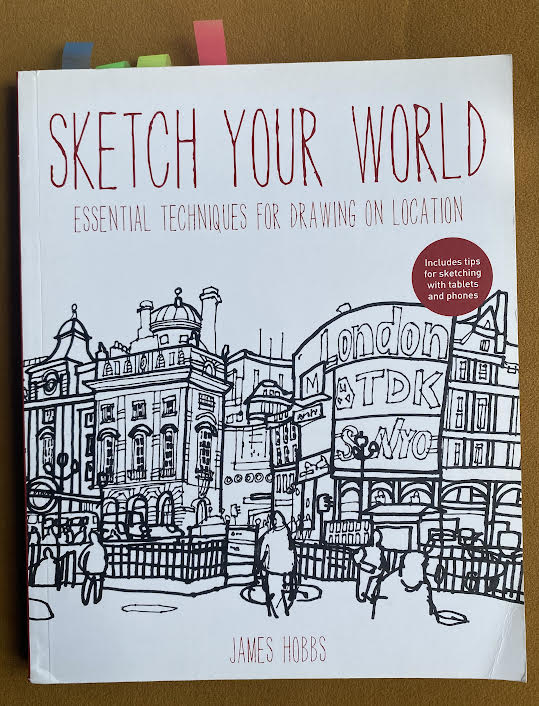
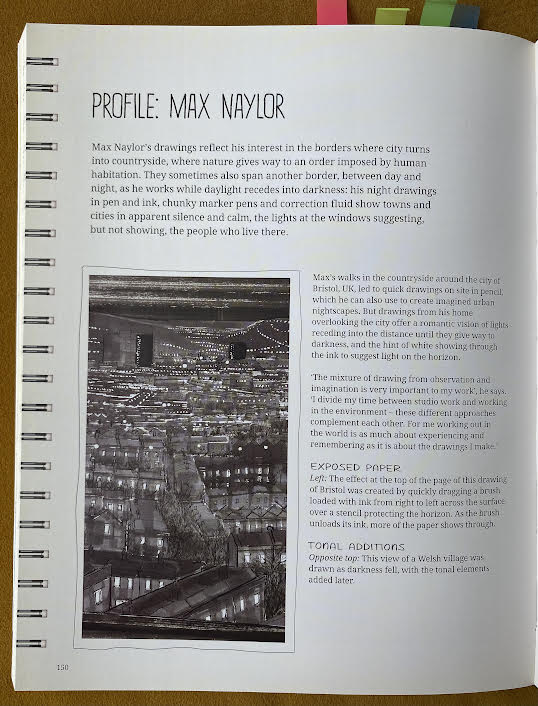
www.sai.org.uk and used primary research with a book called ‘Sketch Your World’ by James Hobbs.
My Original List:
- David Brazier
- Peter McQuillan
- Clement Laurencio
- Donna Scott
- Mark Sheerman
- Robert Eyles
- Noel Hannan
- Tony Trifilett
- Michael Evans
- Richard Lee
- John Simlett
- Stuart Campbell
- John Darvill
It was really hard to choose from the list on SAI as almost all of the illustrator’s work’s that I saw on there were interesting, but I was able to narrow it down enough to the six illustrators below and the one from the ‘Sketch Your World’ Book.
My chosen Illustrators and their work:
James Hobbs:
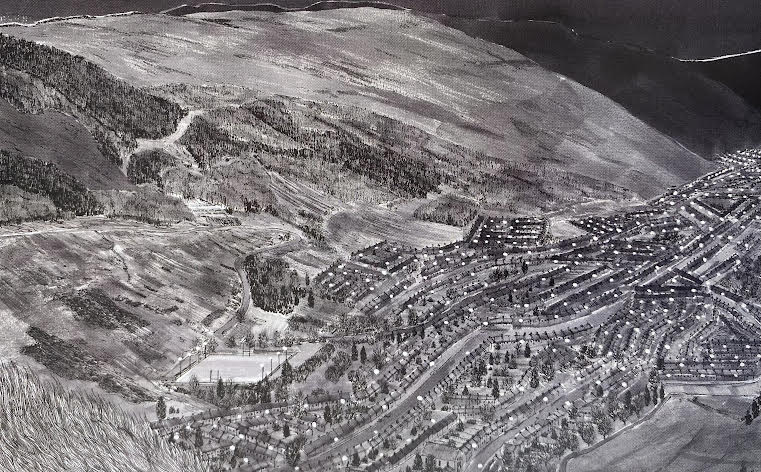
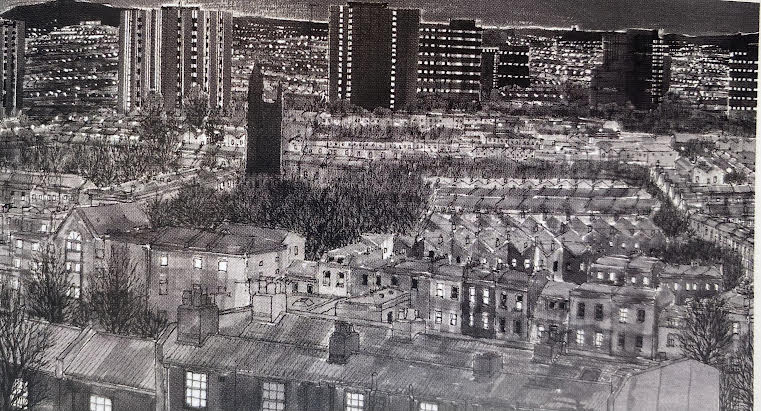
James’ art relates to the architecture through the use of line-work and the way he illustrates the busyness of the city. You can differentiate between the old and new buildings, as the new buildings are high-rise and the watercolour used is darker in comparison to the old buildings. The trees and landscape are less detailed and less pronounced which depicts a large flat expanse. The lightest parts of these illustrations are where the lights of the houses/flats are. It’s a great contrast. (84 words).

https://www.amazon.co.uk/Sketch-Your-World-Drawing-techniques/dp/1845435141
David Brazier:
David’s architectural drawings are very varied, he uses a variety of mediums including watercolour, marker, pen, ink, pencil, pastel, graphite and 3D digital modelling. His style is also very varied, I think this is due to the artist trying to work with the progressing digital mediums in today’s developing world. He is great with angles and perspective. His use of colour is realistic and not abstracted apart from slightly on the third image with the digital modelling. (77 words).


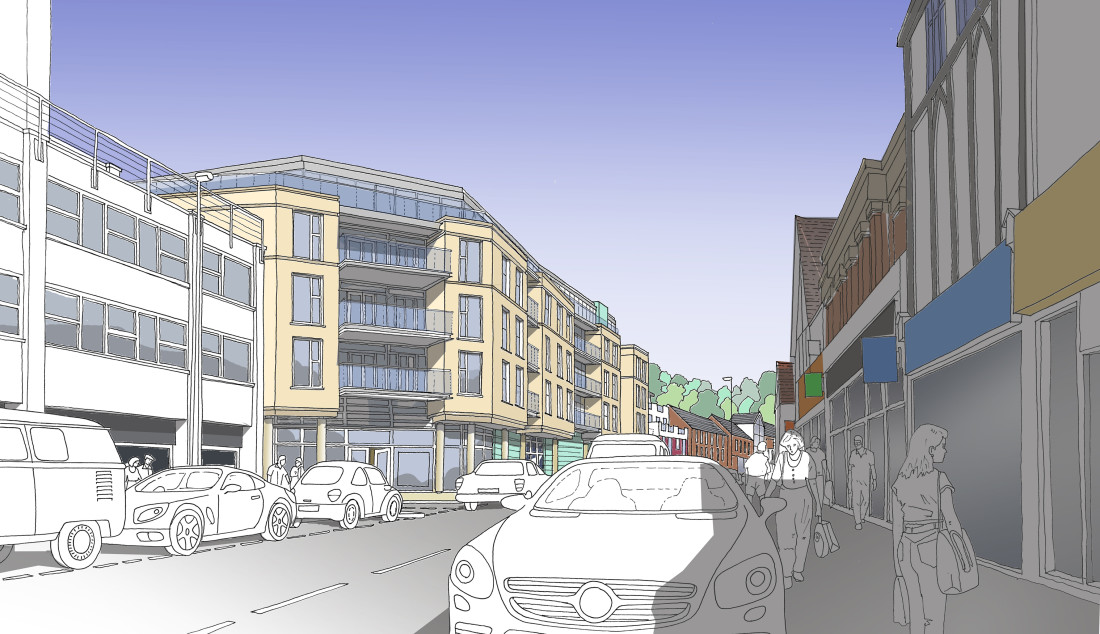
https://www.sai.org.uk/illustrator/davidbrazier/
Robert Eyles:
Robert’s art is created using a variety of mediums, although he tends to lean towards using mixed media and watercolour. His conceptual preliminary design sketch for the house in Iffley, Oxford is created using mixed media and pencil, this is then developed into a fully illustrated piece painted using watercolours. His colour scheme is very positive and bright in comparison to others’ work, I think this works in his favour as it shows the architecture in an optimistic light. (79 words).
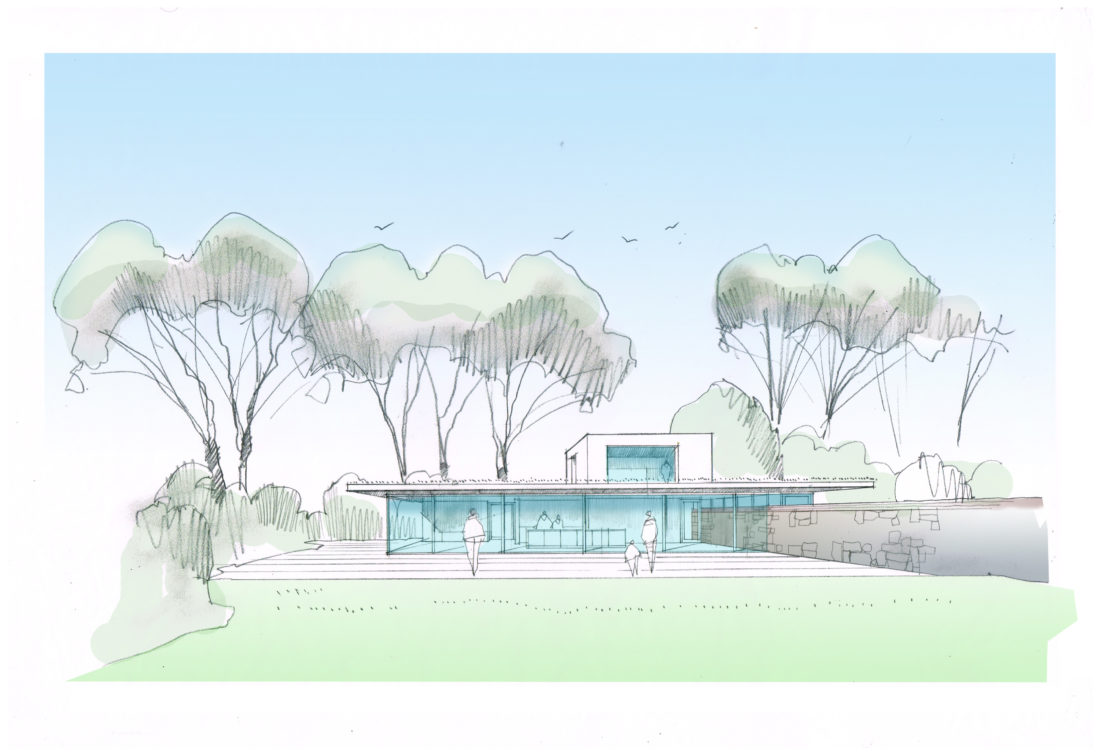


https://www.sai.org.uk/illustrator/roberteyles/
Noel Hannan:
Noel’s art medium is all traditional, he uses watercolour, fine-liner, pencil, pastel and graphite but seems to favour fine-liner and watercolour. His use of watercolour is more of a wash than a full painting, focussing on specific aspects and details of buildings. He also is the only person in my collection that writes down notes around my illustrations. (60 words).
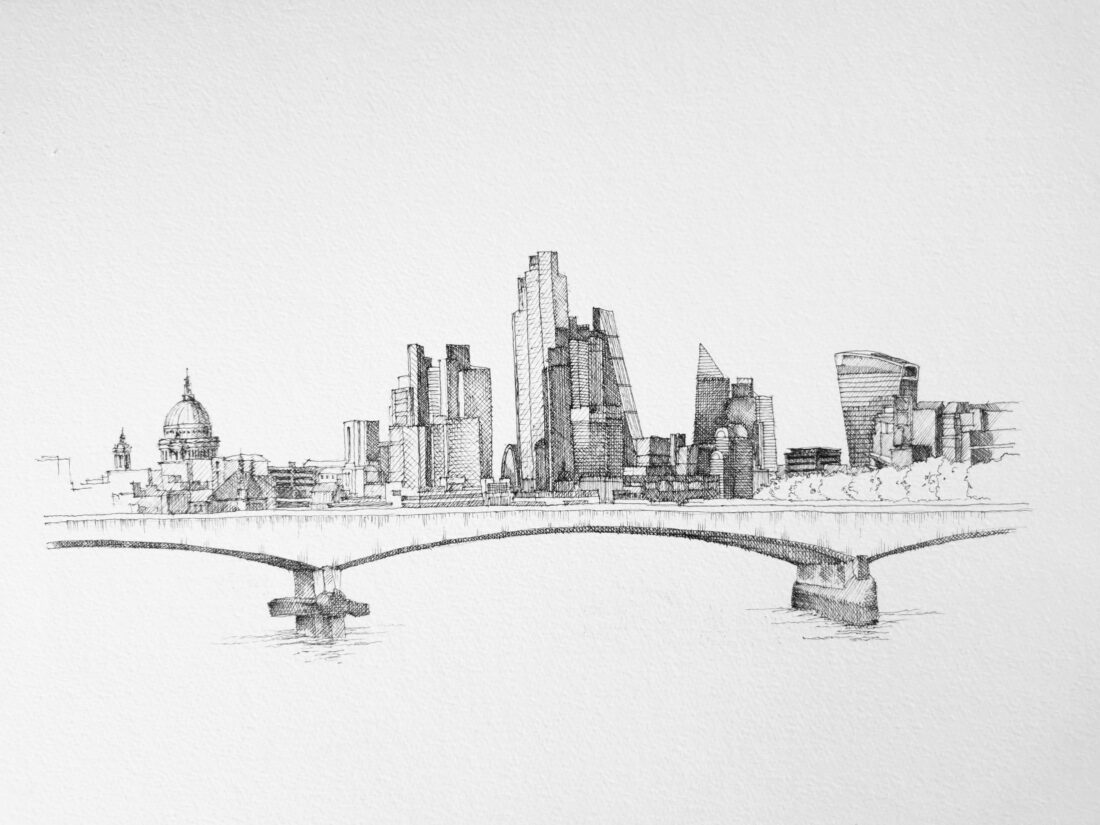


https://www.sai.org.uk/illustrator/noelhannan/
John Simlett:
John’s art is very traditional, the type of work you think of when you think about the word ‘architecture’, he uses only markers, pen and ink. There is limited colour in his illustrations but this makes it better in my opinion as it makes it easier to focus on the intricate details. (52 words).
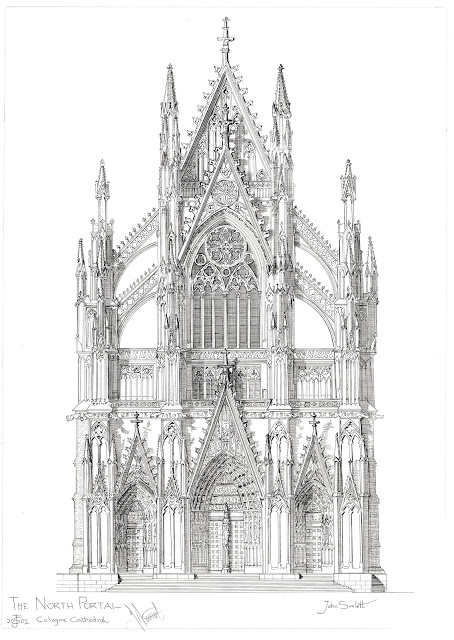

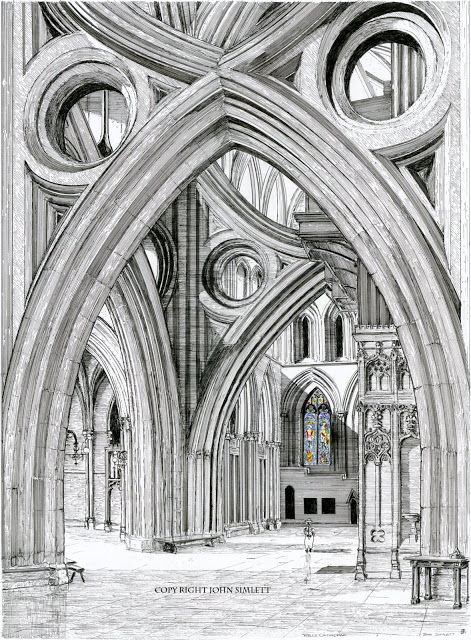
https://www.sai.org.uk/illustrator/johnsimlett/
Exercise 1: Architectural illustration
For this exercise, I have been asked to create an architectural illustration that shows the contrast between a building or structure and its surroundings. I need to think about how to deal with the contrast creatively, through the choice of materials, approach to image and mark-making, and use of colour and composition.
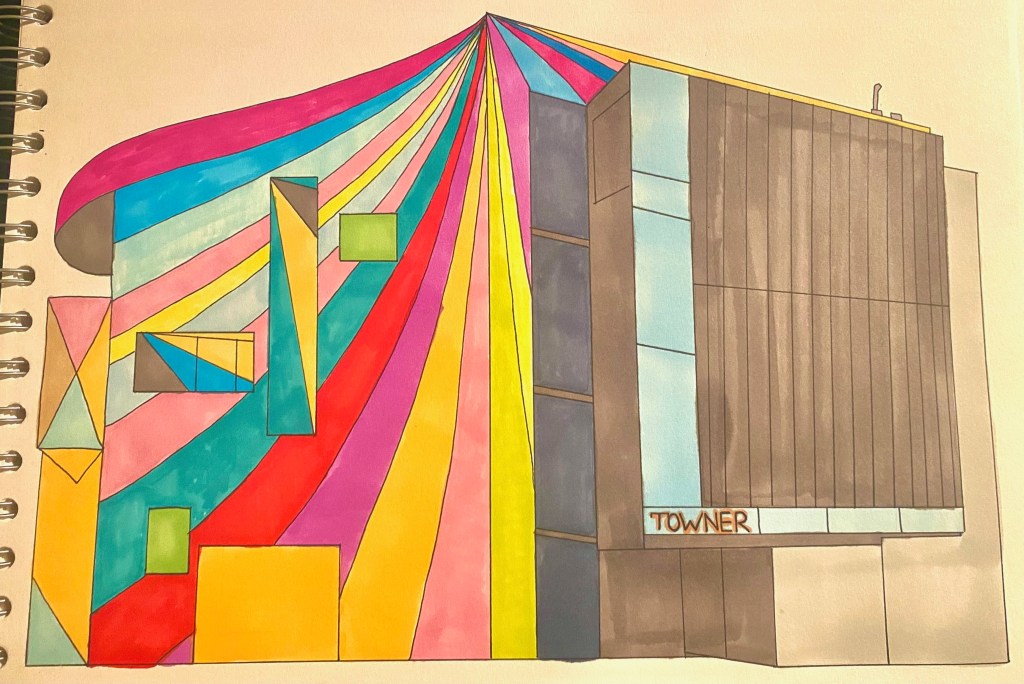
After some thought, I decided to draw both the old and new Towner Art Gallery, Eastbourne.
My locations:
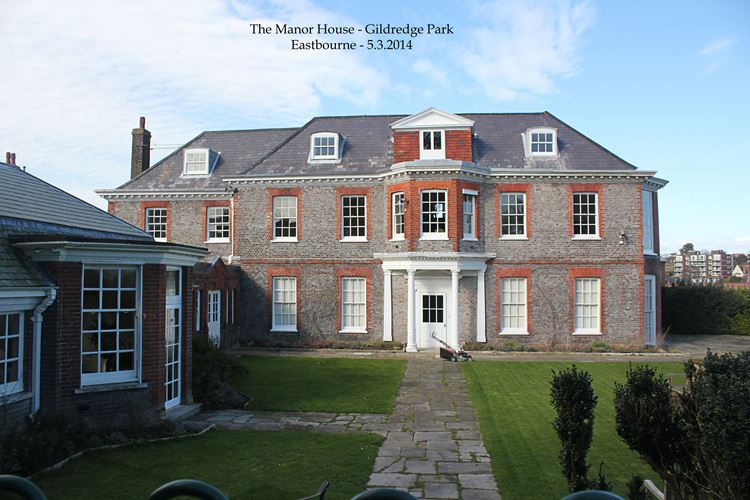
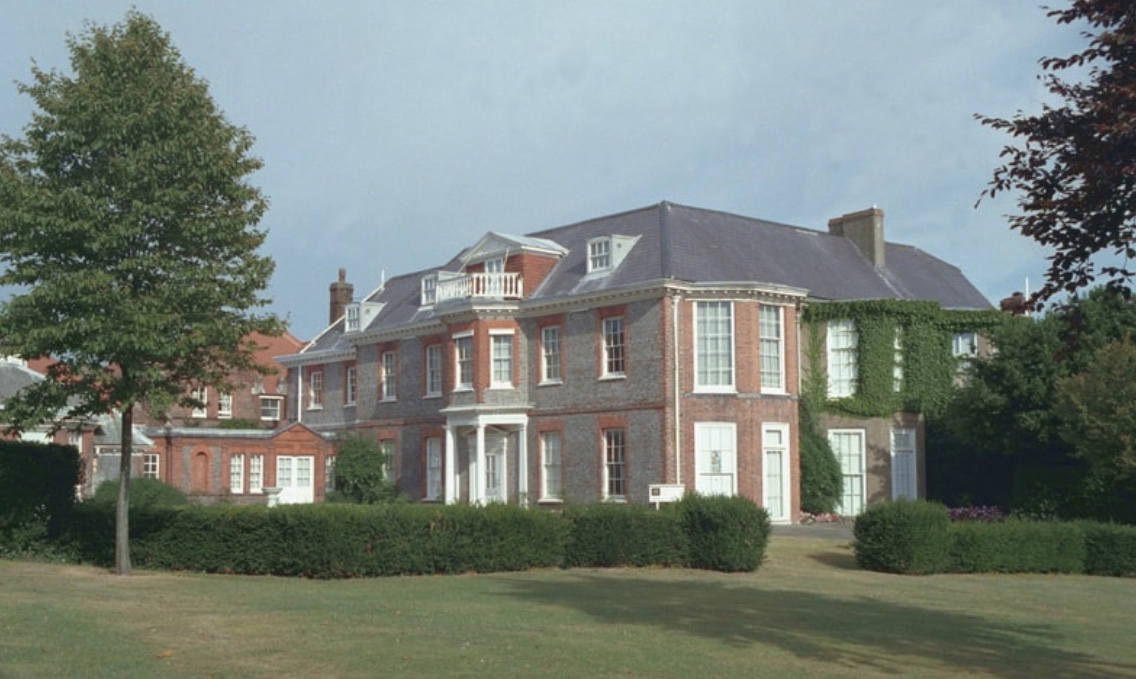
The Manor House, (prev. Towner Art Gallery) from 1923 – 2005:

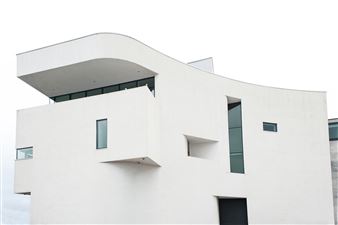
Towner Art Gallery, Eastbourne from 2005 – present:
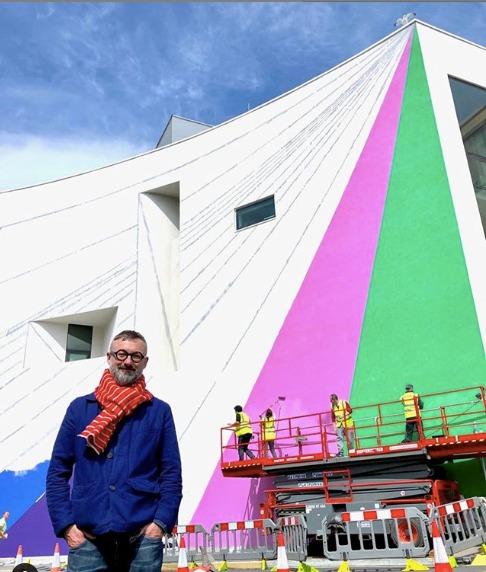
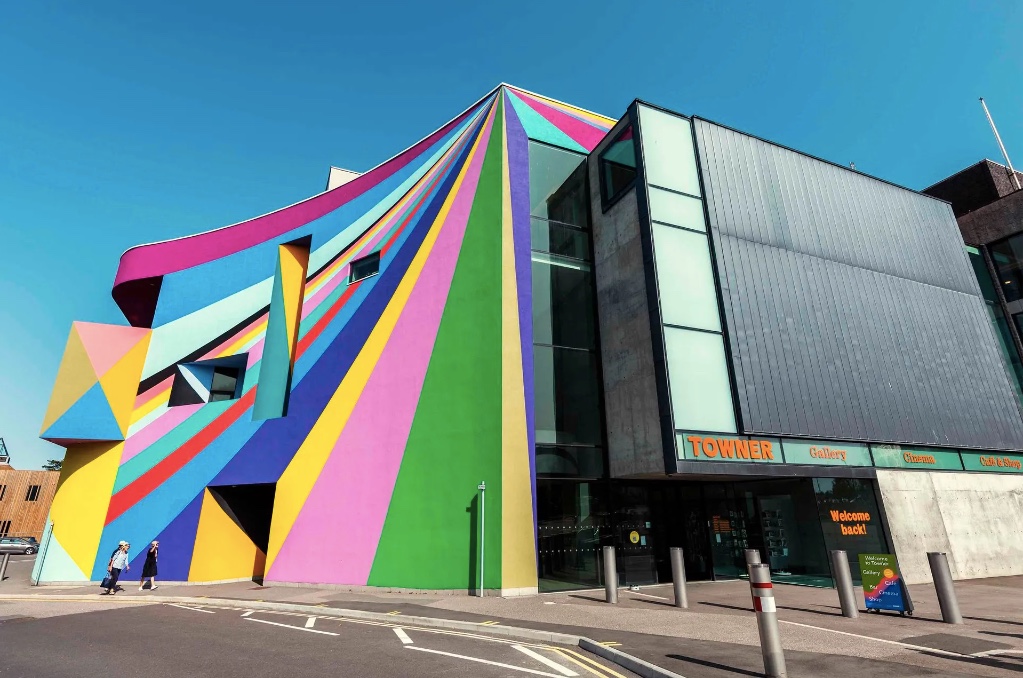
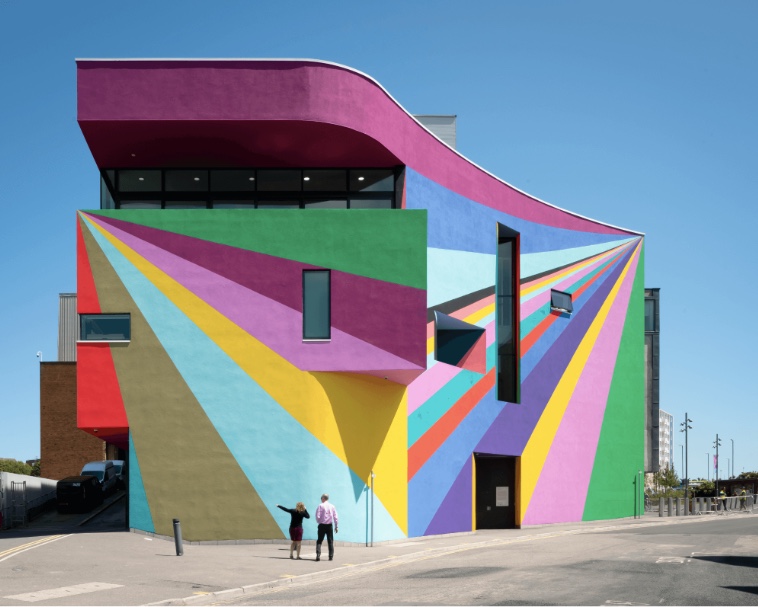
HISTORY:
The Grade II listed building Gildridge Manor House was formally the original Towner Gallery. It has existed for 240 years and was one of the first Georgian buildings in East Sussex.
ARCHITECTURAL TYPES:
The Manor House, Church Street, Old Town, Eastbourne (Inside Gildridge Park) – I’d class this building as Georgian.
The Towner Gallery, Devonshire Park, College Road, Eastbourne – Contemporary Art Gallery – I’d class this building as a mixture between Modern and Neo-Futurism.
photos:

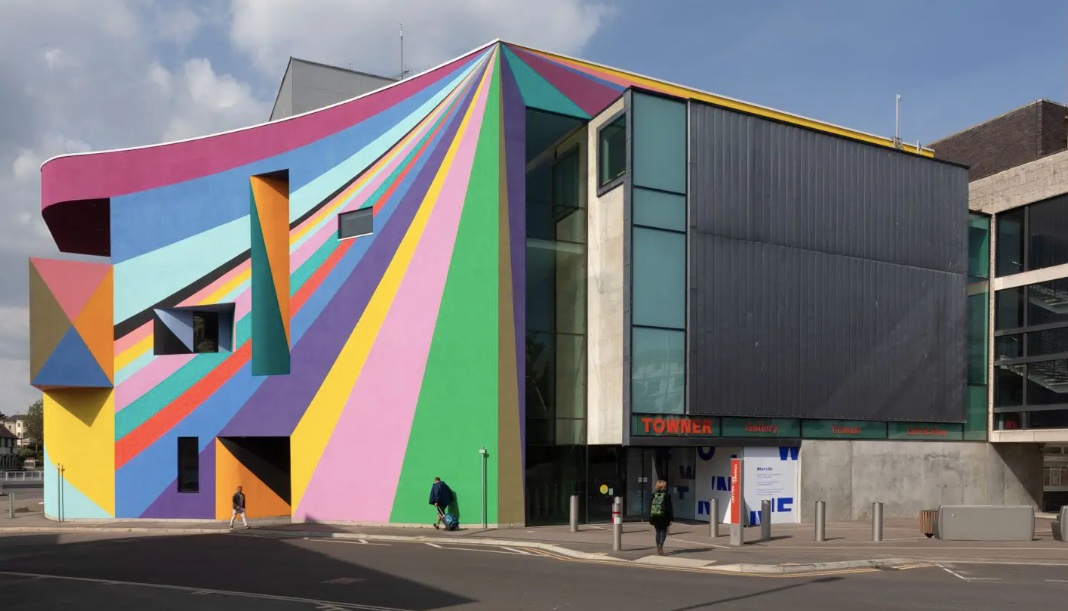
‘live’ drawings:


final architectural illustrations with colour):

Evaluation:
This exercise was interesting as I have an interest in architecture but I’m not that great at getting things right (angle-wise). I wanted to show the difference between old and new architecture so I chose two places close to me in Eastbourne and thought that the old and new Towner Gallery would be a good choice. I also wanted to continue this theme in my mediums also, so for the old Tower Gallery I chose watercolour and for the new Towner I used my Promarkers. It was interesting looking at my line drawings and final colour drawings, personally, I prefer my line drawings as I am not a fan of colouring using traditional mediums. My favourite image has to be the line drawing of the Old Towner Gallery as this looks the most like an architectural illustration.
References:
Wikipedia, Towner Gallery history – https://en.wikipedia.org/wiki/Towner_Gallery
Lother Gotz (artist for the mural) – https://www.theargus.co.uk/news/17703137.lother-gotz-paints-towner-gallery-eastbourne/
The Old Towner Project – https://www.simonsdiary.co.uk/websites/oldtowner/maininfo.htm
Mural on the new Towner Gallery – https://townereastbourne.org.uk/whats-on/public-art/lothar-gotz-dance-diagonal
Towner at 100 years celebration – https://www.alethea-magazine.com/100-Year-Towner-Eastbourne–the-2023-Turnerprize-and-an-interview-with-Joe-Hill
 OCA Learning Log